
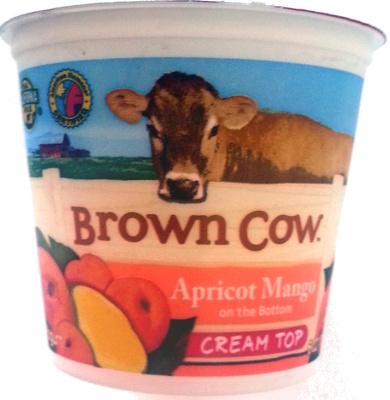
Cream Top Apricot Mango Yogurt
Opens Amazon.com · We may earn a commission
Nutrition Facts
Per 100g
About This Product
Cream Top Apricot Mango Yogurt by Brown Cow scores 8/10 for Bone Health based on low sodium preserves calcium.
Cream Top Apricot Mango Yogurt by Brown Cow provides 100 calories, 2.7g protein, 3.3g fat, and 15.3g carbohydrates per 100g. That gives it a protein efficiency of 2.7g of protein per 100 calories. It scores well for Bone Health health goals.
- ✓Very low calorie density at just 100 kcal per 100g, making it a good choice for volume eating.
- ✓Classified as NOVA Group 4 (ultra-processed food). Consider less processed alternatives if clean eating is a priority.
Deep Analysis
Cream Top Apricot Mango Yogurt by Brown Cow sits near the middle of the yogurts category with 100 kcal per 100g (category avg: 96). Low protein at just 2.7g per 100g — well below the 5.7g average.
Nutrition Breakdown
- •Calories: 100 kcal per 100g (category avg: 96)
- •Protein: 2.7g per 100g (category avg: 5.7g)
- •Sugars: 12.7g per 100g (category avg: 9.7g)
- •Saturated fat: 1.7g per 100g
Who Should Eat This
Best suited for people managing calorie intake or on a weight loss plan.
Watch Out
- ⚠Classified as NOVA Group 4 (ultra-processed). If clean eating matters to you, look for less processed options.
Better Alternatives
If Cream Top Apricot Mango Yogurt doesn't perfectly fit your goals, consider looking for higher-protein alternatives for better satiety, less processed alternatives (NOVA Group 1-2). Browse the yogurts category page on NutritionRanked to compare options side by side.
Ingredients
Cultured pasteurized milk, sugar, apricots, mangos, tapioca starch, pectin, pure maple syrup, natural flavor. Contains live active cultures: S. Thermophilus, L. Bulgaricus, L. Acidophilus and Bifidus.